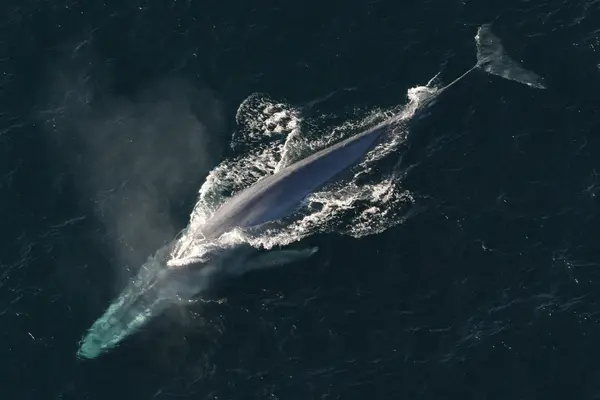
Whales
The Blue Whale: Inside the Largest Animal That Has Ever Lived
Longer than a basketball court and heavier than any dinosaur, the blue whale survives on some of the smallest animals in the sea. Here is how it works.
Every story we have published, newest first.
Longer than a basketball court and heavier than any dinosaur, the blue whale survives on some of the smallest animals in the sea. Here is how it works.
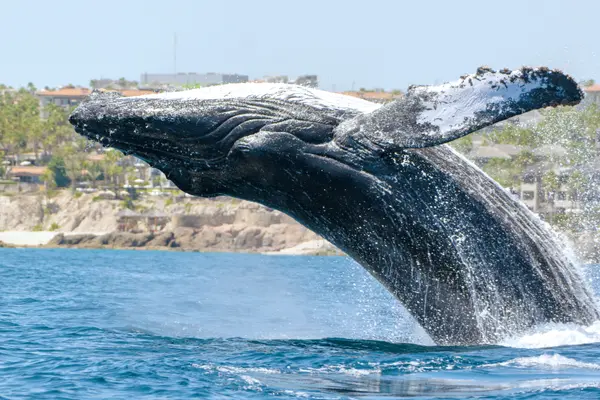
Male humpbacks perform long, complex songs that change every year and spread across entire ocean basins. Researchers are still decoding why.
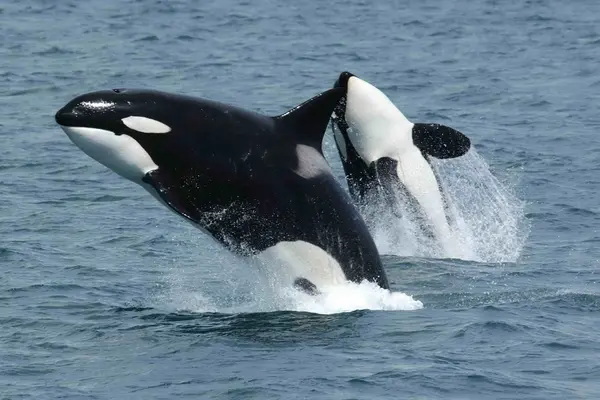
Orcas live in tight family groups led by older females, with their own dialects and hunting traditions passed down through generations.
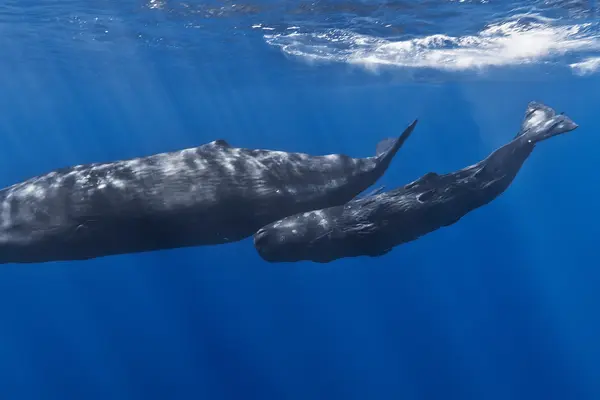
Sperm whales hunt squid in total darkness more than a kilometre below the surface. Their bodies are built for pressure most animals could never survive.
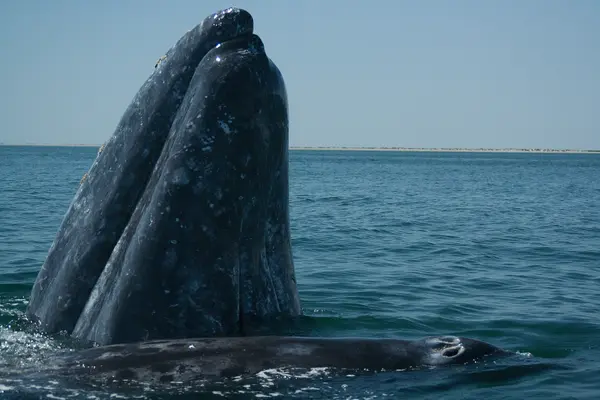
Every year eastern Pacific gray whales travel between Arctic feeding grounds and the warm lagoons of Mexico, a round trip of up to 20,000 km.
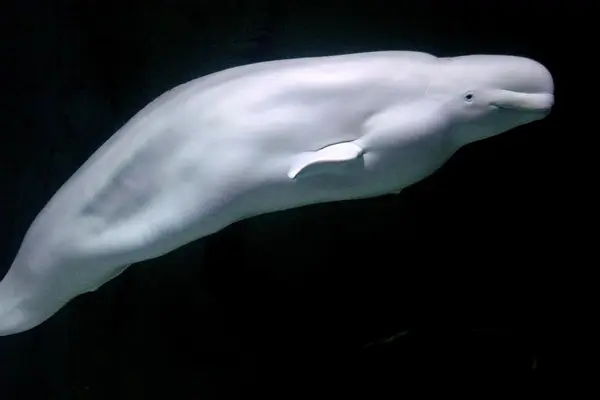
White, round-headed and surprisingly flexible, belugas are some of the most vocal whales in the Arctic.
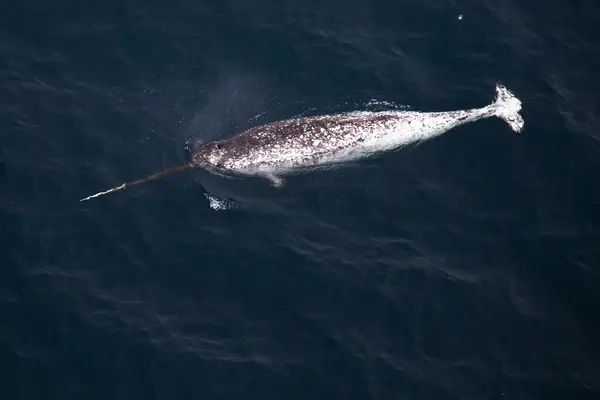
That long spiral tusk is actually a tooth, packed with nerve endings. Here is what we know about the Arctic's most mysterious whale.
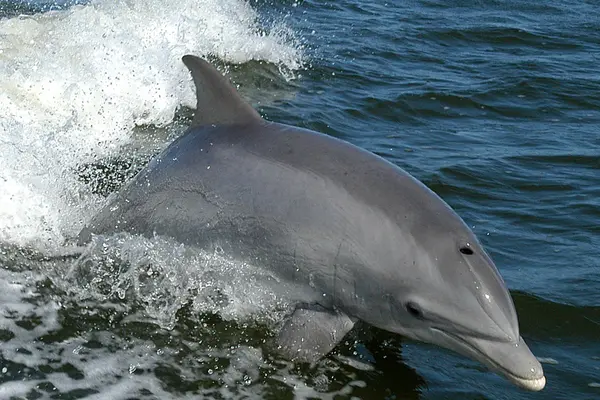
Each bottlenose dolphin develops a unique whistle that works a lot like a name, and other dolphins can copy it to get its attention.
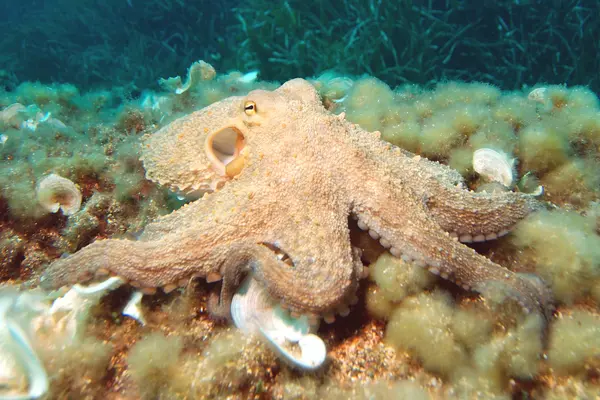
Octopuses solve puzzles, escape tanks and change colour in a blink. Their intelligence evolved completely separately from ours.
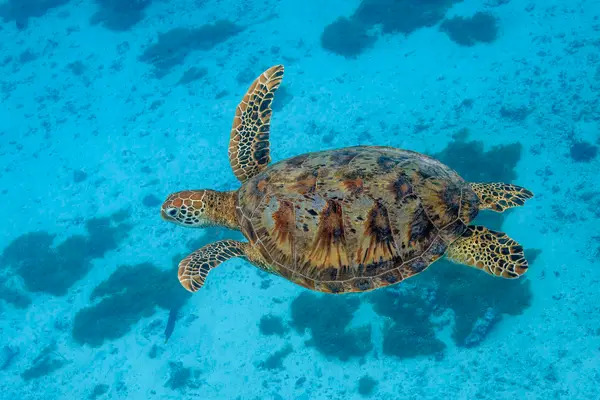
Green turtles cross entire oceans and then find their way back to their birth beach decades later. Earth's magnetic field may be their map.
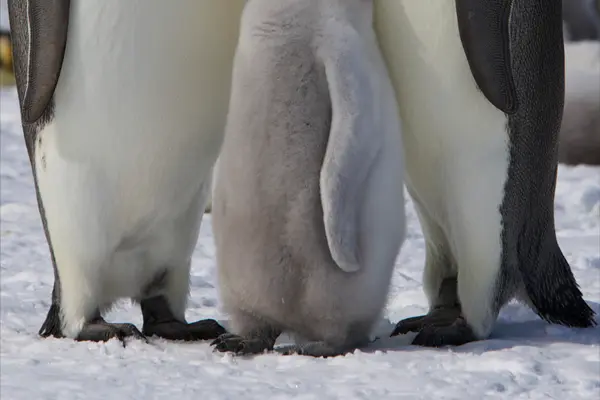
Emperor penguins breed in the coldest, darkest season on Earth. Their secret is teamwork, patience and some clever physiology.
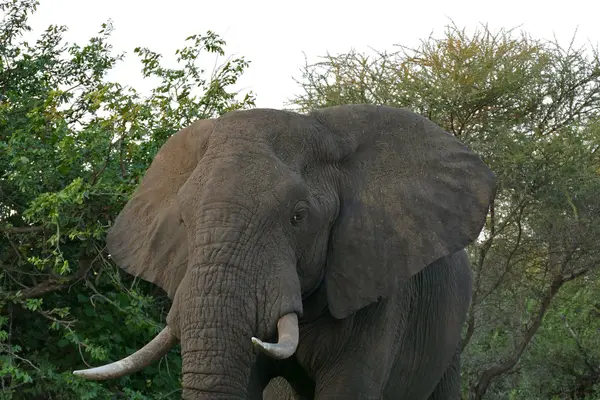
Elephant families rely on the long memories of their oldest females to find water, avoid danger and recognise friends.
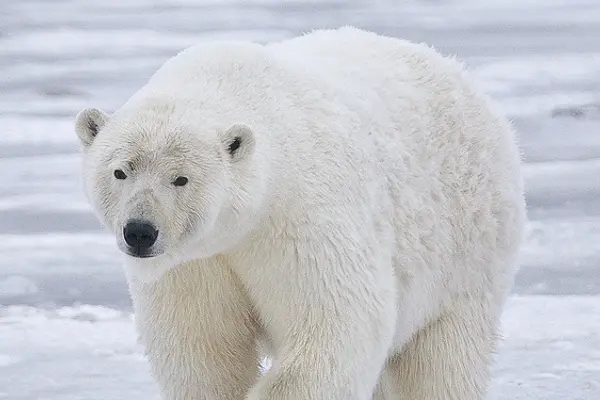
Polar bears are classed as marine mammals because they depend on the ocean and sea ice to hunt seals.
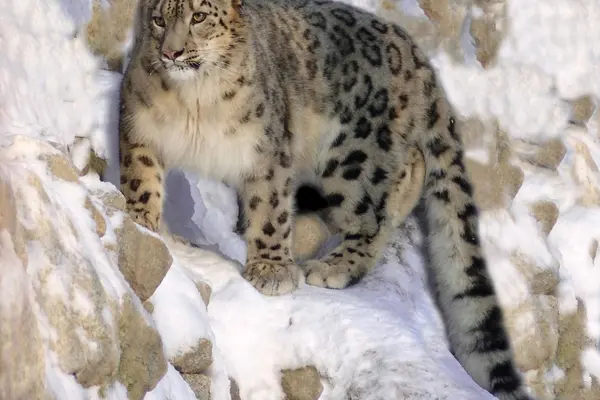
Snow leopards live in some of the most rugged terrain on Earth and are so hard to see that many researchers study them for years without a sighting.
No articles match your search.