Do Elephants Really Never Forget? What Science Says About Elephant Memory
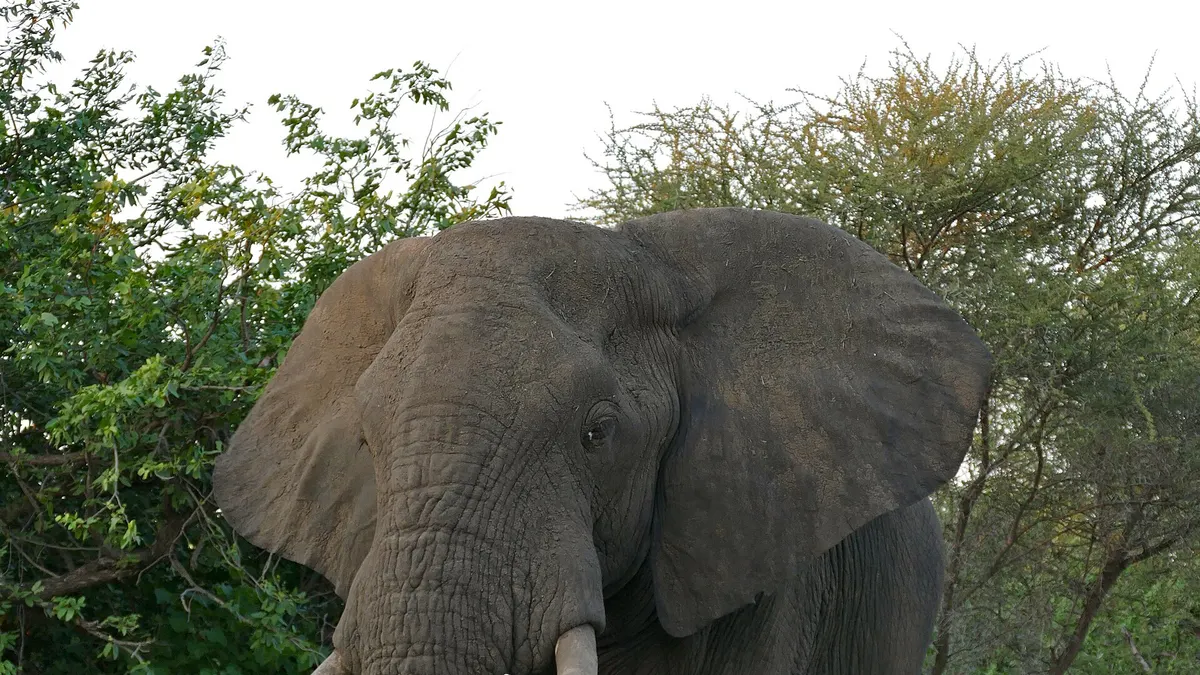
Elephant families rely on the long memories of their oldest females to find water, avoid danger and recognise friends.
In this article
"An elephant never forgets" is an old saying, and science suggests there is real truth behind it. Elephants have large, complex brains and live long lives in close-knit families, where memory is not just useful but vital for survival.
The matriarch's knowledge
African savanna elephants (Loxodonta africana) live in family groups led by the oldest female, the matriarch. She may be 50 or 60 years old and has decades of experience. Studies in Kenya found that families led by older matriarchs were better at recognising the calls of unfamiliar elephants and reacting appropriately, and better at judging the danger posed by lion roars.
During severe droughts, families with older matriarchs have been observed travelling to distant water sources that younger elephants had never visited, and these families tended to have higher calf survival.
Recognising friends
Elephants communicate with a wide range of sounds, including deep rumbles, many of which are below the range of human hearing and can travel several kilometres. Research has shown elephants can recognise the calls of many individual family members and associates. A 2024 study even suggested that wild African elephants use name-like calls to address specific individuals.
Grief and curiosity
Elephants often show strong interest in the bones of dead elephants, touching and smelling them with their trunks. While it is hard to know exactly what they feel, researchers widely agree that elephants have deep social bonds and complex emotional lives.
The trunk: a remarkable tool
An elephant's trunk contains tens of thousands of muscle units. It can pull down tree branches, pick up a single blade of grass, suck up several litres of water at a time and act as a snorkel when swimming. Elephants also use their trunks to greet, comfort and reassure each other.
Ecosystem engineers
By knocking down trees, digging for water and spreading seeds in their dung, elephants shape the landscapes they live in. Many plant species depend on elephants to disperse their seeds.
Conservation
The African savanna elephant is listed as Endangered, and the African forest elephant as Critically Endangered. Poaching for ivory and loss of habitat are the main threats, alongside growing conflicts with people over land and crops.
Quick facts
- Weight: adult males up to about 6 tonnes
- Pregnancy: about 22 months, the longest of any land mammal
- Lifespan: 60–70 years in the wild
Keep reading
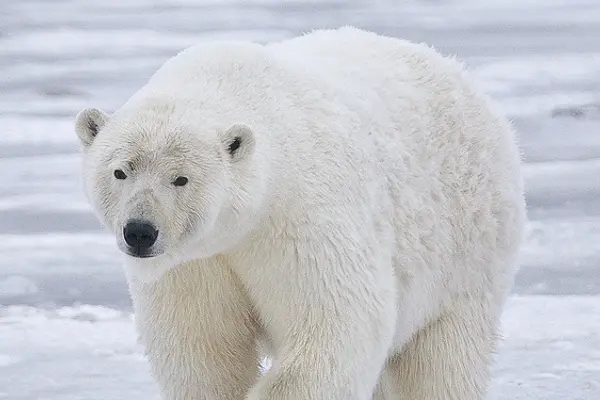
Polar Bears and Sea Ice: Why the Arctic's Top Predator Needs Frozen Oceans
Polar bears are classed as marine mammals because they depend on the ocean and sea ice to hunt seals.
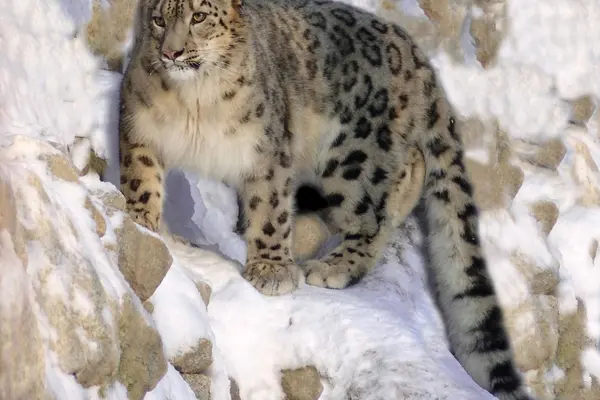
Snow Leopards: The Elusive "Ghost of the Mountains"
Snow leopards live in some of the most rugged terrain on Earth and are so hard to see that many researchers study them for years without a sighting.
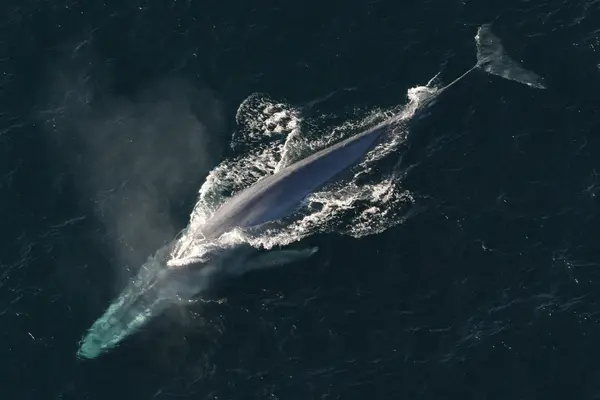
The Blue Whale: Inside the Largest Animal That Has Ever Lived
Longer than a basketball court and heavier than any dinosaur, the blue whale survives on some of the smallest animals in the sea. Here is how it works.