Polar Bears and Sea Ice: Why the Arctic's Top Predator Needs Frozen Oceans
Polar bears are classed as marine mammals because they depend on the ocean and sea ice to hunt seals.
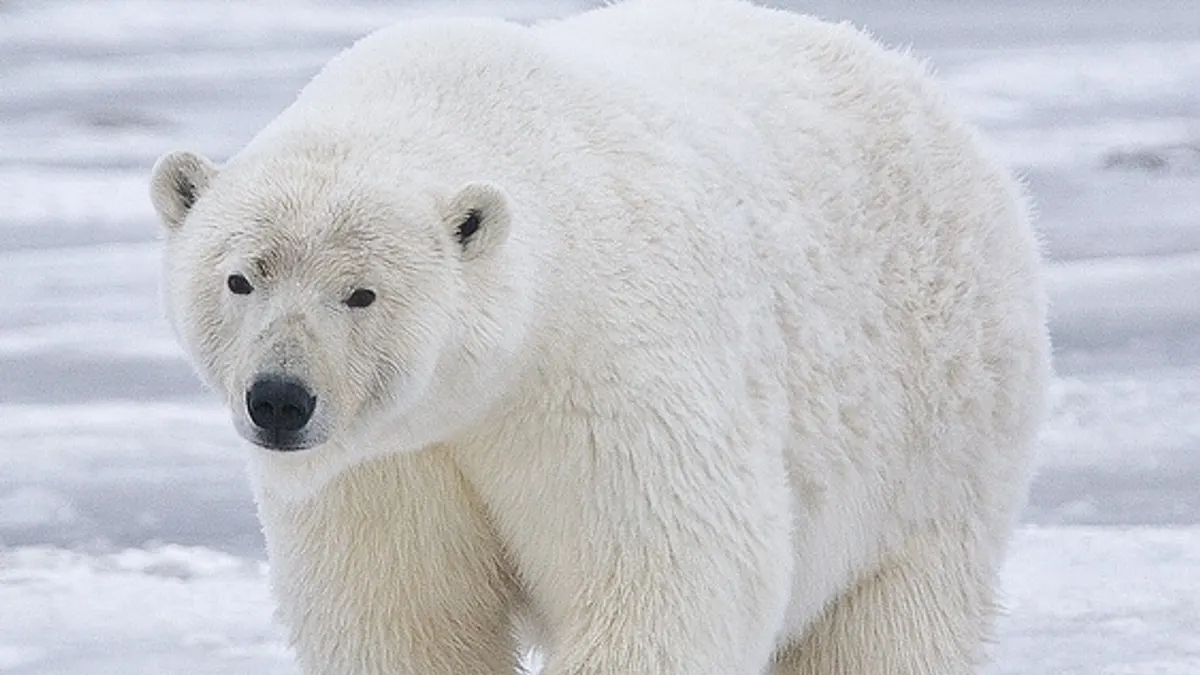
The polar bear (Ursus maritimus) is the largest land carnivore, yet its scientific name means "sea bear". That is fitting. Polar bears spend most of their lives on sea ice, and they are one of the few bears classed as marine mammals.
Hunting on the ice
Polar bears feed mainly on ringed and bearded seals. The most common hunting method is "still hunting": a bear waits patiently beside a seal's breathing hole in the ice, sometimes for hours, then strikes when the seal surfaces. In spring, bears also break into snow dens where seals give birth. Seal blubber is extremely rich in energy, which is exactly what bears need in the cold.
Built for the Arctic
- Fur: the hairs are actually transparent and hollow, scattering light so they appear white.
- Skin: black underneath, helping absorb heat.
- Fat: a layer up to about 10 cm thick for insulation.
- Paws: wide and covered in small bumps for grip on ice and for paddling when swimming.
Polar bears are strong swimmers and have been recorded swimming for days across open water, although such long swims are energetically costly and can be dangerous for young bears.
Dens and cubs
Pregnant females dig maternity dens in snowdrifts in late autumn. Cubs are born in midwinter, tiny and blind, weighing under a kilogram. The family stays in the den until spring, living on the mother's fat reserves. Cubs then stay with their mother for about two and a half years while they learn to hunt.
A warming Arctic
Sea ice is the polar bear's hunting platform. As the Arctic warms, ice forms later in autumn and breaks up earlier in spring in many regions, forcing bears ashore for longer periods where there is little food. Scientists have linked sea ice loss to declines in body condition and cub survival in some populations. The polar bear is listed as Vulnerable by the IUCN, with sea ice loss considered the primary long-term threat.
Quick facts
- Weight: adult males often 350–700 kg
- Population: roughly 20,000–30,000 across 19 subpopulations
- Range: Canada, Alaska (USA), Greenland, Norway and Russia
Keep reading
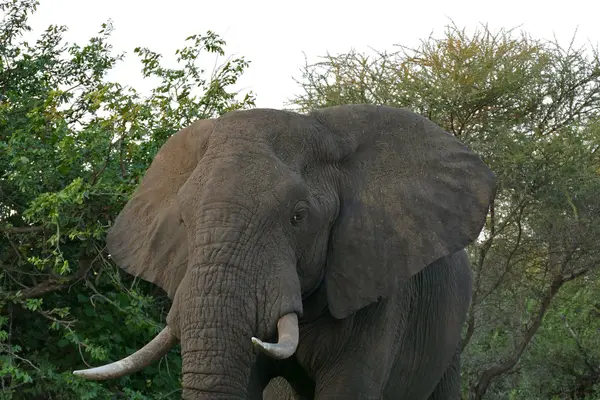
Do Elephants Really Never Forget? What Science Says About Elephant Memory
Elephant families rely on the long memories of their oldest females to find water, avoid danger and recognise friends.
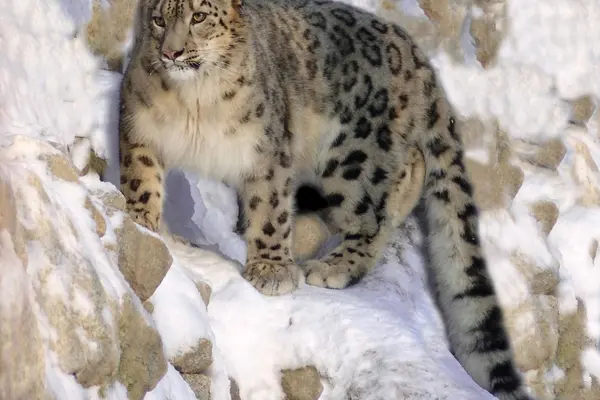
Snow Leopards: The Elusive "Ghost of the Mountains"
Snow leopards live in some of the most rugged terrain on Earth and are so hard to see that many researchers study them for years without a sighting.
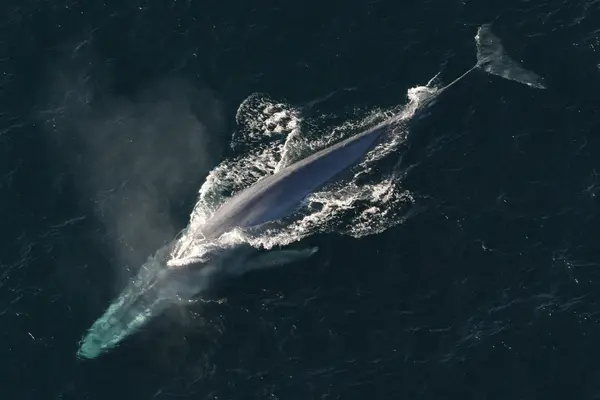
The Blue Whale: Inside the Largest Animal That Has Ever Lived
Longer than a basketball court and heavier than any dinosaur, the blue whale survives on some of the smallest animals in the sea. Here is how it works.