Snow Leopards: The Elusive "Ghost of the Mountains"
Snow leopards live in some of the most rugged terrain on Earth and are so hard to see that many researchers study them for years without a sighting.
In this article
High in the mountains of Central and South Asia, among cliffs and boulder fields, lives one of the world's most secretive big cats. The snow leopard (Panthera uncia) is so well camouflaged and so rarely seen that it is often called the "ghost of the mountains".
Where they live
Snow leopards range across twelve countries, including Nepal, Bhutan, India, Pakistan, Afghanistan, China, Mongolia and several Central Asian nations. They are usually found between about 3,000 and 4,500 metres above sea level, sometimes higher. The Himalaya, the Tibetan Plateau and the Altai and Tian Shan mountains are key strongholds.
Adaptations for the cold and steep
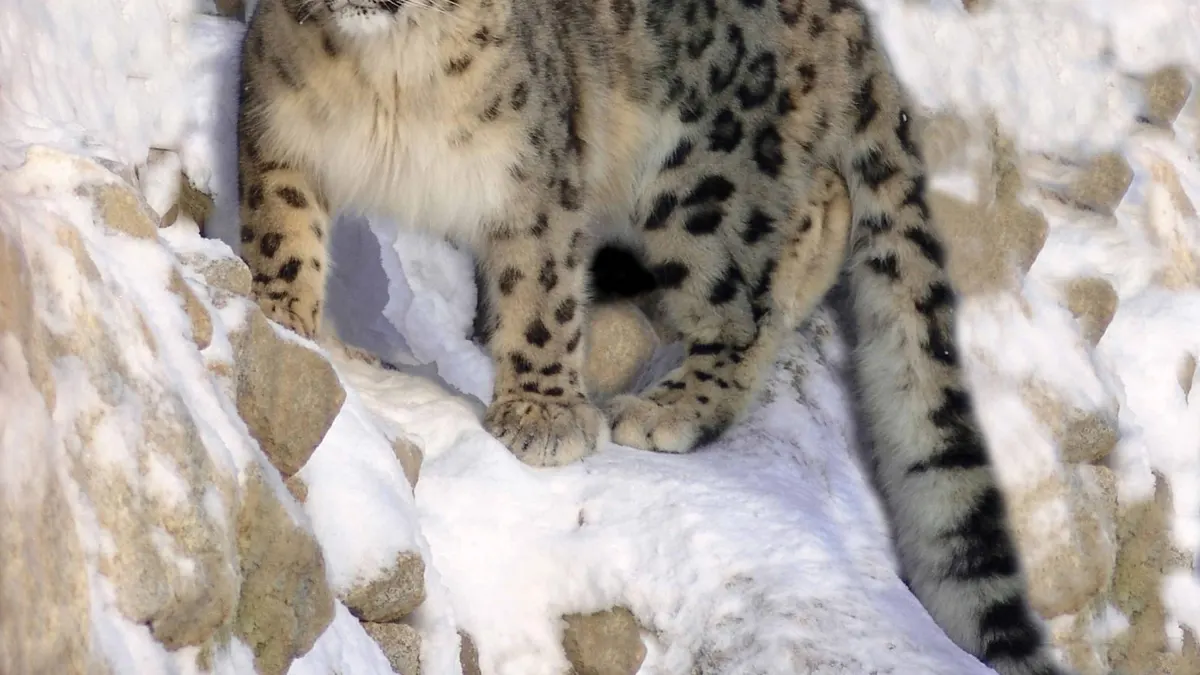
- Thick fur patterned with grey rosettes provides warmth and camouflage against rock.
- Large paws act like snowshoes.
- A very long, thick tail helps with balance on steep slopes and can be wrapped around the body like a scarf while resting.
- Short front legs and long hind legs allow powerful leaps.
What they eat
Snow leopards mainly hunt wild mountain sheep and goats, such as blue sheep (bharal) and ibex. They also take smaller prey like marmots and pikas. In some areas they occasionally kill livestock, which can lead to conflict with herders.
Studying a ghost
Because direct sightings are rare, scientists rely on camera traps, GPS collars and DNA from scat to estimate numbers and understand behaviour. Each snow leopard has a unique pattern of spots, allowing researchers to identify individuals from camera trap photos.
Community programmes that insure herders' livestock or build predator-proof corrals have helped reduce retaliatory killings of snow leopards.
Conservation
The snow leopard is listed as Vulnerable by the IUCN, with a global population estimated in the low thousands. Threats include poaching for fur and body parts, retaliation for livestock losses, declines in wild prey and the effects of climate change on high-mountain habitats.
Quick facts
- Weight: about 25–55 kg
- Tail: up to about 1 m long
- Voice: cannot roar the way lions and tigers can
Keep reading
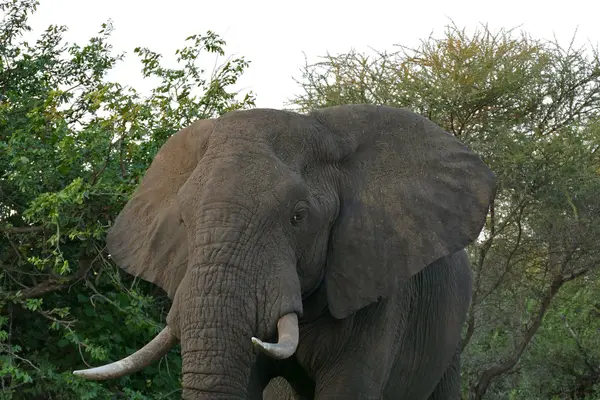
Do Elephants Really Never Forget? What Science Says About Elephant Memory
Elephant families rely on the long memories of their oldest females to find water, avoid danger and recognise friends.
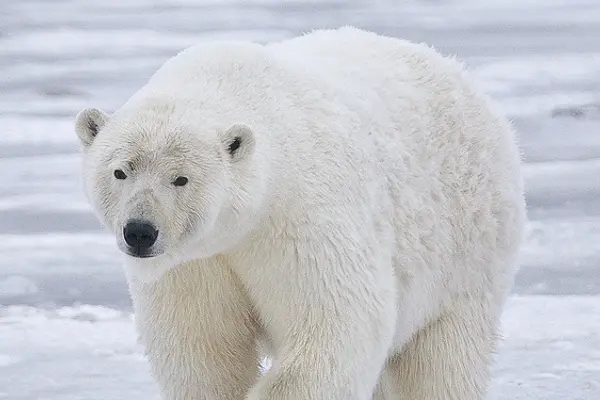
Polar Bears and Sea Ice: Why the Arctic's Top Predator Needs Frozen Oceans
Polar bears are classed as marine mammals because they depend on the ocean and sea ice to hunt seals.
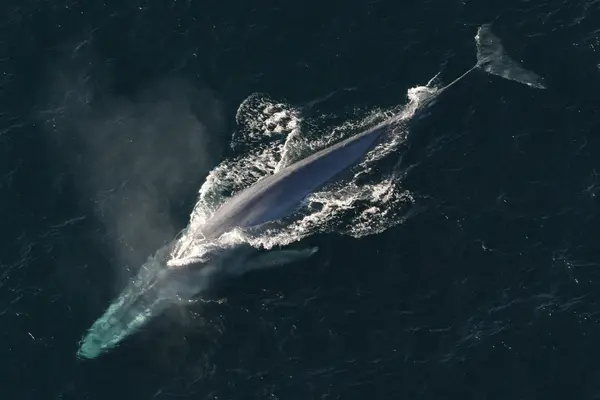
The Blue Whale: Inside the Largest Animal That Has Ever Lived
Longer than a basketball court and heavier than any dinosaur, the blue whale survives on some of the smallest animals in the sea. Here is how it works.