The Gray Whale Migration: One of the Longest Journeys of Any Mammal
Every year eastern Pacific gray whales travel between Arctic feeding grounds and the warm lagoons of Mexico, a round trip of up to 20,000 km.
In this article
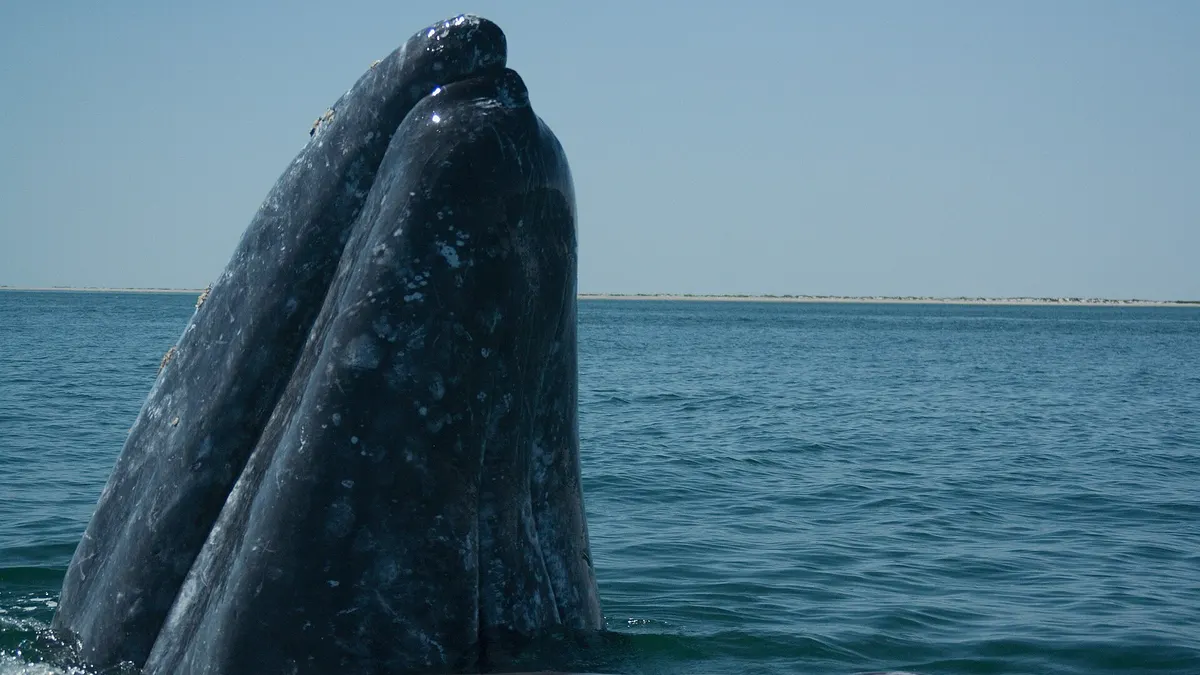
Each autumn, thousands of gray whales (Eschrichtius robustus) leave the cold, food-rich seas off Alaska and begin swimming south along the coast of North America. Their destination is the sheltered lagoons of Baja California in Mexico, where many females give birth. In spring they turn around and swim all the way back. It is one of the longest regular migrations of any mammal.
The route
Eastern North Pacific gray whales spend summer feeding in the Bering, Chukchi and Beaufort seas. In winter they gather in lagoons such as Laguna Ojo de Liebre, San Ignacio and Magdalena Bay. The total round trip can reach 16,000 to 20,000 kilometres. Because they tend to follow the coastline, gray whales are one of the easiest whales to see from shore, and their migration supports whale-watching from Alaska to Mexico.
Bottom feeders
Gray whales are unique among baleen whales in how they usually feed. They roll onto their side on the sea floor and suck up sediment, filtering out small crustaceans called amphipods and other invertebrates with their short, coarse baleen. This leaves visible feeding pits on the ocean bottom. Because most of their eating happens on the summer grounds, gray whales eat very little during migration and live off fat reserves.
Friendly whales of the lagoons
In the Mexican breeding lagoons, some gray whales approach small tourist boats, sometimes with calves, and allow people to touch them. These "friendly whale" encounters are strictly managed and have become famous worldwide. It is a striking contrast with the past, when whalers called gray whales "devil fish" because mothers defended their calves fiercely.
A species once hunted to near extinction now swims up to boats to investigate the people inside.
A tale of two populations
The eastern Pacific population recovered well after protection and was removed from the US endangered species list in 1994. Numbers can still swing sharply, and the population experienced unusual mortality events in recent years that researchers are studying closely. The western Pacific population, which feeds off Russia's Sakhalin Island, is much smaller and remains of serious conservation concern. Gray whales disappeared from the Atlantic centuries ago, although a few individuals have surprisingly turned up there in recent years.
Quick facts
- Length: around 13–15 m
- Weight: up to about 35–40 tonnes
- Diet: bottom-dwelling crustaceans
- Migration: up to about 20,000 km round trip
Keep reading
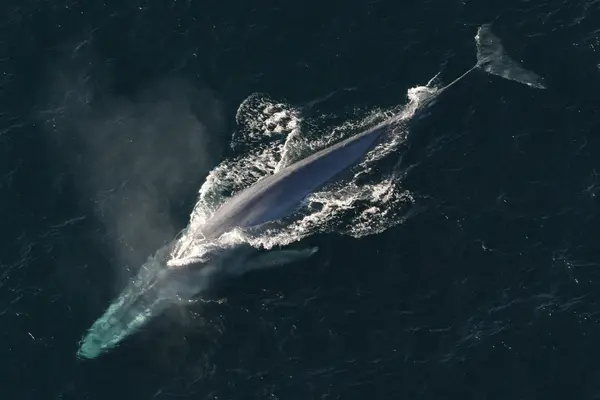
The Blue Whale: Inside the Largest Animal That Has Ever Lived
Longer than a basketball court and heavier than any dinosaur, the blue whale survives on some of the smallest animals in the sea. Here is how it works.
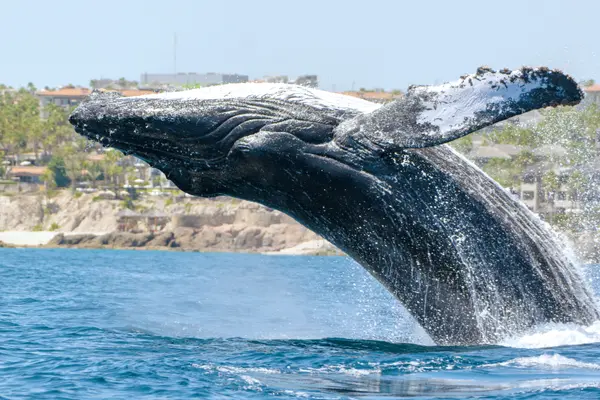
Why Do Humpback Whales Sing? The Science Behind the Ocean's Greatest Songs
Male humpbacks perform long, complex songs that change every year and spread across entire ocean basins. Researchers are still decoding why.
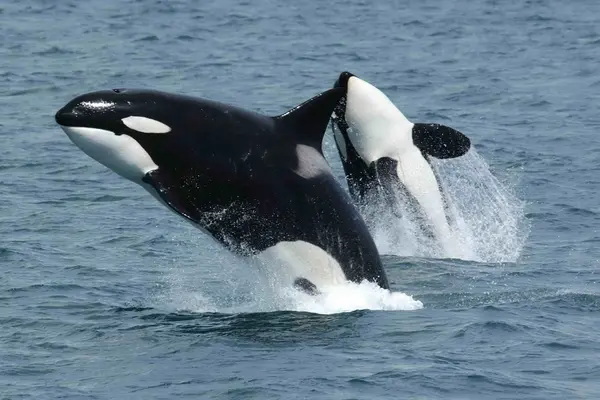
Orcas: Family, Culture and Hunting Strategies of the Killer Whale
Orcas live in tight family groups led by older females, with their own dialects and hunting traditions passed down through generations.