Orcas: Family, Culture and Hunting Strategies of the Killer Whale
Orcas live in tight family groups led by older females, with their own dialects and hunting traditions passed down through generations.
In this article
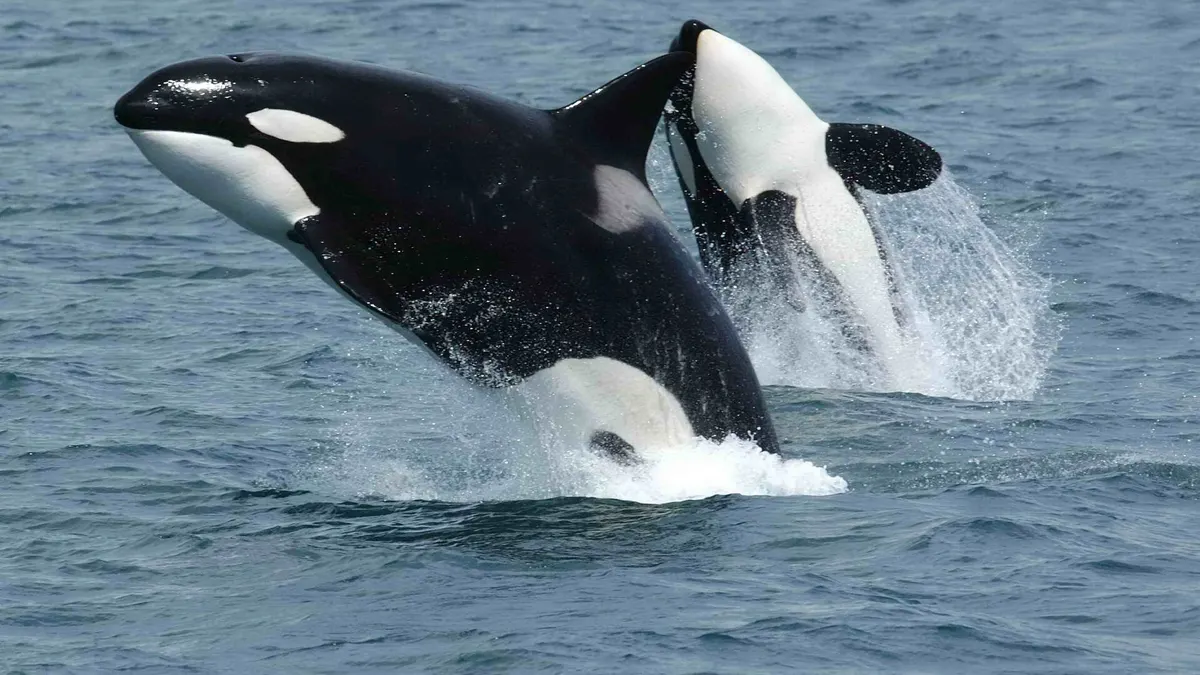
Despite the name, the killer whale (Orcinus orca) is actually the largest member of the dolphin family. Orcas are found in every ocean, from polar ice edges to tropical seas, making them one of the most widely distributed mammals on the planet. What makes them truly fascinating, though, is their social life.
Led by grandmothers
Many orca populations live in groups built around a matriline: an older female, her sons and daughters, and her daughters' offspring. In the well-studied resident orcas of the northeastern Pacific, sons and daughters may stay with their mother for their entire lives.
Female orcas stop reproducing around their 30s or 40s but can live into their 80s or beyond. Orcas are one of very few animals known to go through menopause. Research suggests post-reproductive females act as leaders, especially when salmon are scarce, guiding their family to feeding areas using decades of experience. Their presence has been linked to higher survival rates for their adult sons.
Different ecotypes, different lives
Scientists recognise several ecotypes of orcas, groups that look slightly different, eat different prey and rarely interact or interbreed. In the North Pacific, for example:
- Resident orcas eat fish, especially Chinook salmon, and live in large, stable family groups.
- Bigg's (transient) orcas hunt marine mammals like seals, sea lions and porpoises, travel in smaller groups and are often quieter so their prey cannot hear them coming.
- Offshore orcas travel far from land and feed on fish, including sharks.
In Antarctica, other ecotypes specialise in seals, penguins or fish. Some researchers argue several ecotypes may eventually be recognised as separate species.
Dialects and culture
Orcas communicate with clicks, whistles and pulsed calls. Each family group has its own set of calls, known as a dialect, which calves learn from their relatives. Related groups share parts of their dialect, allowing researchers to trace family relationships through sound.
Hunting methods are learned too. Some Antarctic orcas work together to create waves that wash seals off ice floes. In Patagonia, a few individuals deliberately beach themselves briefly to grab sea lion pups at the water's edge, a risky skill taught to young whales by adults.
Orca hunting techniques are not instinct alone. They are traditions, taught and practised within families.
Threats facing orcas
Because orcas sit at the top of the food chain, pollutants such as PCBs build up in their bodies. Some populations carry among the highest levels of these chemicals recorded in any animal. Fish-eating populations also depend on healthy salmon runs; the Southern Resident orcas of the Pacific Northwest are endangered, with only around 70 to 80 individuals, largely due to declines in Chinook salmon, vessel noise and contaminants.
Quick facts
- Length: males up to about 8–9 m, females smaller
- Dorsal fin: can reach 1.8 m tall in adult males
- Lifespan: females often 50+ years, some over 80
- Family: Delphinidae (oceanic dolphins)
Keep reading
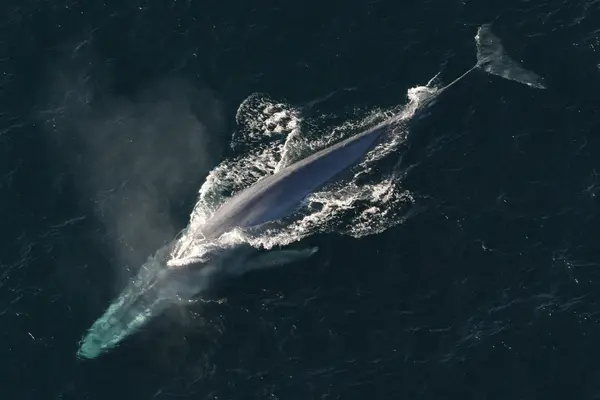
The Blue Whale: Inside the Largest Animal That Has Ever Lived
Longer than a basketball court and heavier than any dinosaur, the blue whale survives on some of the smallest animals in the sea. Here is how it works.
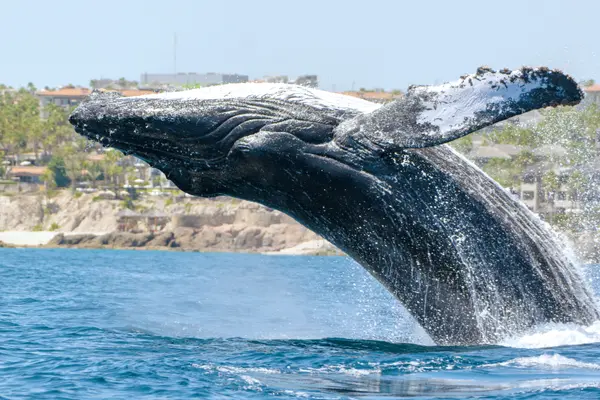
Why Do Humpback Whales Sing? The Science Behind the Ocean's Greatest Songs
Male humpbacks perform long, complex songs that change every year and spread across entire ocean basins. Researchers are still decoding why.
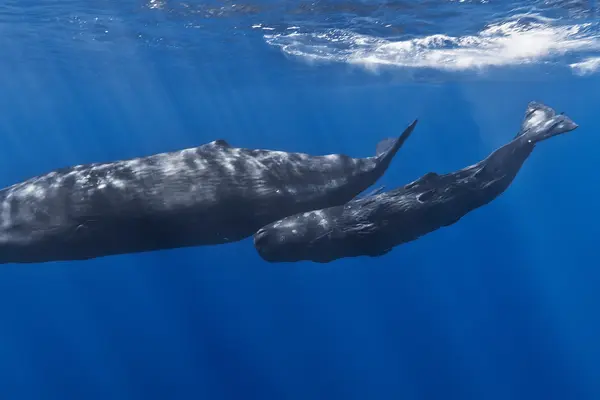
How Sperm Whales Dive Thousands of Metres Into the Dark
Sperm whales hunt squid in total darkness more than a kilometre below the surface. Their bodies are built for pressure most animals could never survive.