Why Do Humpback Whales Sing? The Science Behind the Ocean's Greatest Songs
Male humpbacks perform long, complex songs that change every year and spread across entire ocean basins. Researchers are still decoding why.
In this article
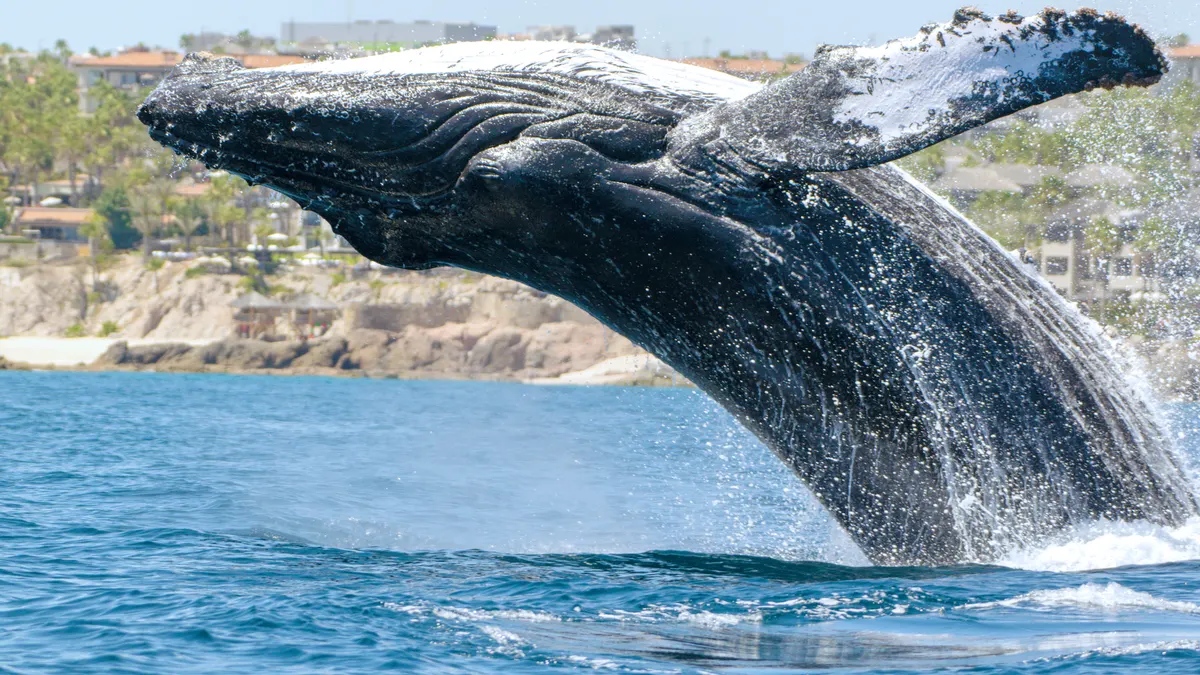
In the late 1960s, recordings of humpback whales were released to the public and surprised almost everyone who heard them. The sounds were not random clicks or grunts. They were structured, repeated and strangely musical. Decades later, humpback whale song is one of the most studied animal vocalisations on Earth, and it is still full of mysteries.
Who sings?
Only male humpback whales (Megaptera novaeangliae) sing the long, patterned songs. Singing is most common on the tropical breeding grounds during winter, although males also sing during migration and occasionally on feeding grounds. A singer often hangs motionless below the surface, head angled downward, repeating the song for hours.
How a song is built
Researchers describe humpback song in layers, much like human music:
- Units are individual sounds, such as moans, cries or chirps.
- Phrases are short sequences of units.
- Themes are made of repeated phrases.
- A full song is a series of themes sung in a set order, often lasting 10 to 20 minutes before it repeats.
Within a population, all the males sing essentially the same song at any given time. But the song is not fixed. It gradually changes over the season as units are altered, added or dropped.
Songs that travel like a cultural wave
One of the most remarkable discoveries came from long-term recordings in the South Pacific. Scientists found that new songs appeared first in eastern Australian populations and then spread eastward, population by population, across the ocean over a period of a couple of years. Whales were learning songs from one another and passing them on. This is considered one of the clearest examples of large-scale cultural transmission in any non-human animal.
A song first heard off Australia can be sung by whales near French Polynesia a year or two later.
So why do they sing?
There is no single agreed answer, but the leading ideas are linked to breeding:
- Attracting females. Song may advertise a male's fitness to potential mates.
- Male-to-male signalling. Singers are often approached by other males rather than females, so song may help males assess each other or organise competition.
- Coordination. Some researchers suggest song helps whales space themselves out on crowded breeding grounds.
It is likely that song serves more than one purpose at the same time.
More than songs
Humpbacks also make many non-song sounds, called social calls, used by both sexes and by mothers with calves. On feeding grounds in Alaska, groups of humpbacks use a coordinated method called bubble-net feeding: one or more whales blow a spiral of bubbles around a school of fish, trapping it, while others produce loud feeding calls before the group surges upward with mouths open.
A conservation success story
Humpbacks were heavily hunted until they were protected in 1966. Since then many populations have rebounded strongly, and the species is now listed as Least Concern globally, although some regional populations still need protection. Their recovery is one reason whale watching has become a major industry in places like Hawaii, Australia, Iceland and Mexico.
Next time you hear a recording of humpback song, remember that you are listening to something that was learned, shared and reshaped by whales across thousands of kilometres of ocean.
Keep reading
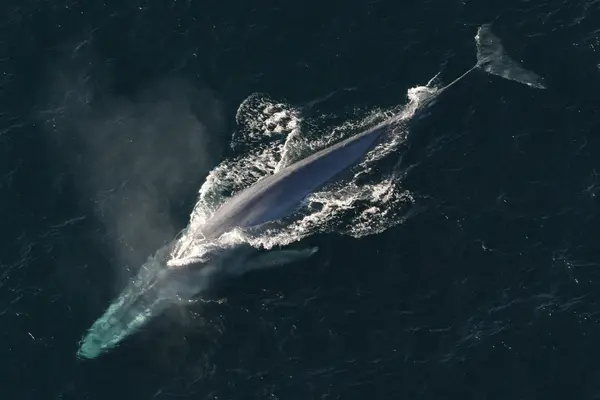
The Blue Whale: Inside the Largest Animal That Has Ever Lived
Longer than a basketball court and heavier than any dinosaur, the blue whale survives on some of the smallest animals in the sea. Here is how it works.
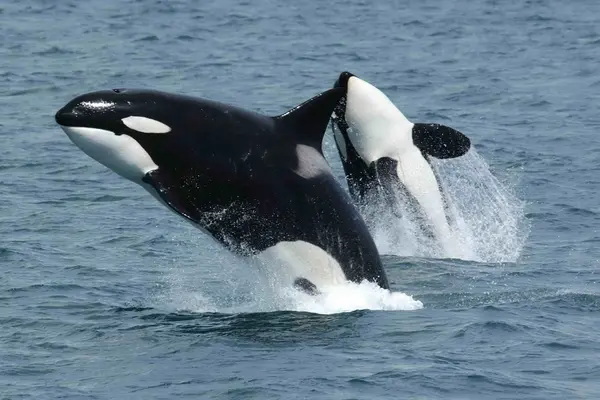
Orcas: Family, Culture and Hunting Strategies of the Killer Whale
Orcas live in tight family groups led by older females, with their own dialects and hunting traditions passed down through generations.
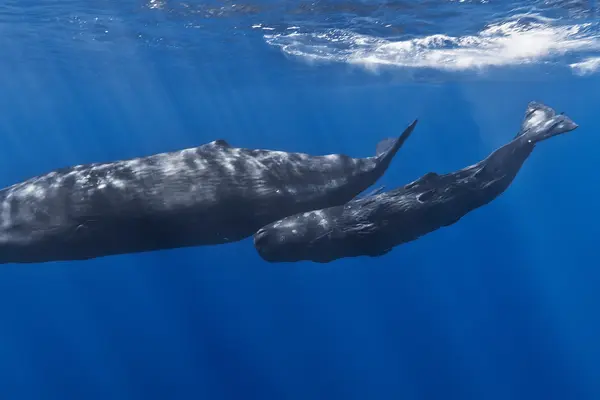
How Sperm Whales Dive Thousands of Metres Into the Dark
Sperm whales hunt squid in total darkness more than a kilometre below the surface. Their bodies are built for pressure most animals could never survive.