Narwhals: The Real Story Behind the "Unicorn of the Sea"
That long spiral tusk is actually a tooth, packed with nerve endings. Here is what we know about the Arctic's most mysterious whale.
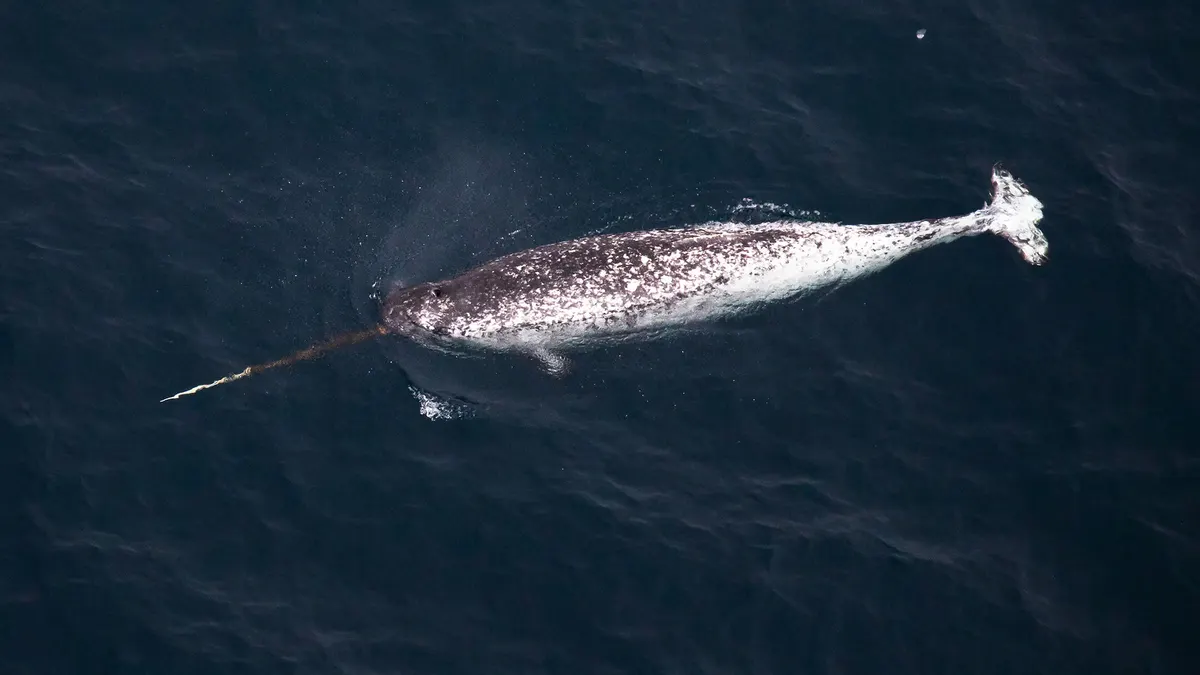
For centuries, narwhal tusks were sold in Europe as unicorn horns, prized for their supposed magical powers. The truth is almost as strange. The narwhal (Monodon monoceros) is a medium-sized Arctic whale, and its spiral "horn" is actually a tooth that grows straight out through the upper lip.
The tusk
In most males, the left canine tooth grows into a spiralled tusk that can reach 2 to 3 metres in length. A small number of females also grow tusks, and rarely a narwhal grows two. The tusk is flexible and contains millions of nerve endings connected to the outside through tiny channels. Researchers have suggested it may help narwhals sense changes in water such as temperature or salinity.
Its main role, however, seems linked to breeding. Males with longer tusks may be more attractive to females or better at competing with rival males. Males are sometimes seen gently rubbing tusks together, a behaviour called "tusking".
Deep divers of the Arctic
Narwhals live year-round in the Arctic, mainly around Greenland, Canada and Russia. In winter, they gather in areas of dense pack ice, diving repeatedly to depths of 800 metres or more to feed on Greenland halibut, cod and squid. They have been recorded diving close to 1,800 metres, making them among the deepest-diving marine mammals.
Sensitive to change
Narwhals are highly specialised for life in ice-covered waters, with narrow migration routes and a limited diet. This makes them potentially vulnerable to climate change, increased shipping and industrial noise in the Arctic. They are currently listed as Least Concern by the IUCN, but scientists consider them one of the Arctic mammals most sensitive to environmental change.
Inuit communities have hunted narwhals for centuries for food and tusks, and today subsistence hunts are managed under quotas in Canada and Greenland.
Quick facts
- Length: about 4–5.5 m, not including the tusk
- Tusk: an elongated tooth, up to about 3 m
- Diet: Arctic fish, squid and shrimp
- Relatives: the closest living relative is the beluga
Keep reading
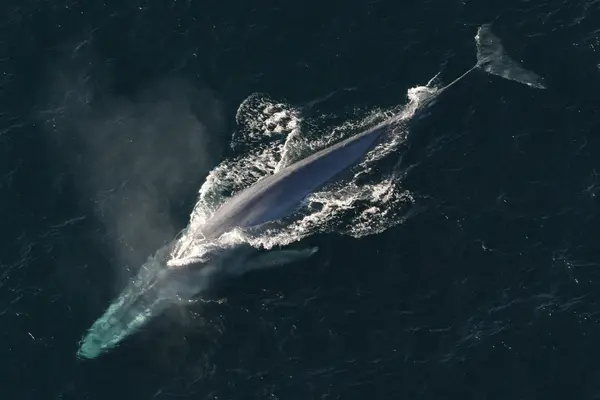
The Blue Whale: Inside the Largest Animal That Has Ever Lived
Longer than a basketball court and heavier than any dinosaur, the blue whale survives on some of the smallest animals in the sea. Here is how it works.
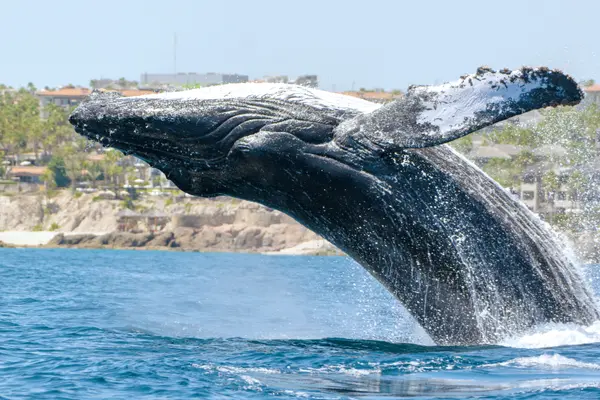
Why Do Humpback Whales Sing? The Science Behind the Ocean's Greatest Songs
Male humpbacks perform long, complex songs that change every year and spread across entire ocean basins. Researchers are still decoding why.

Orcas: Family, Culture and Hunting Strategies of the Killer Whale
Orcas live in tight family groups led by older females, with their own dialects and hunting traditions passed down through generations.