Belugas: Meet the Chatty "Canaries of the Sea"
White, round-headed and surprisingly flexible, belugas are some of the most vocal whales in the Arctic.
In this article
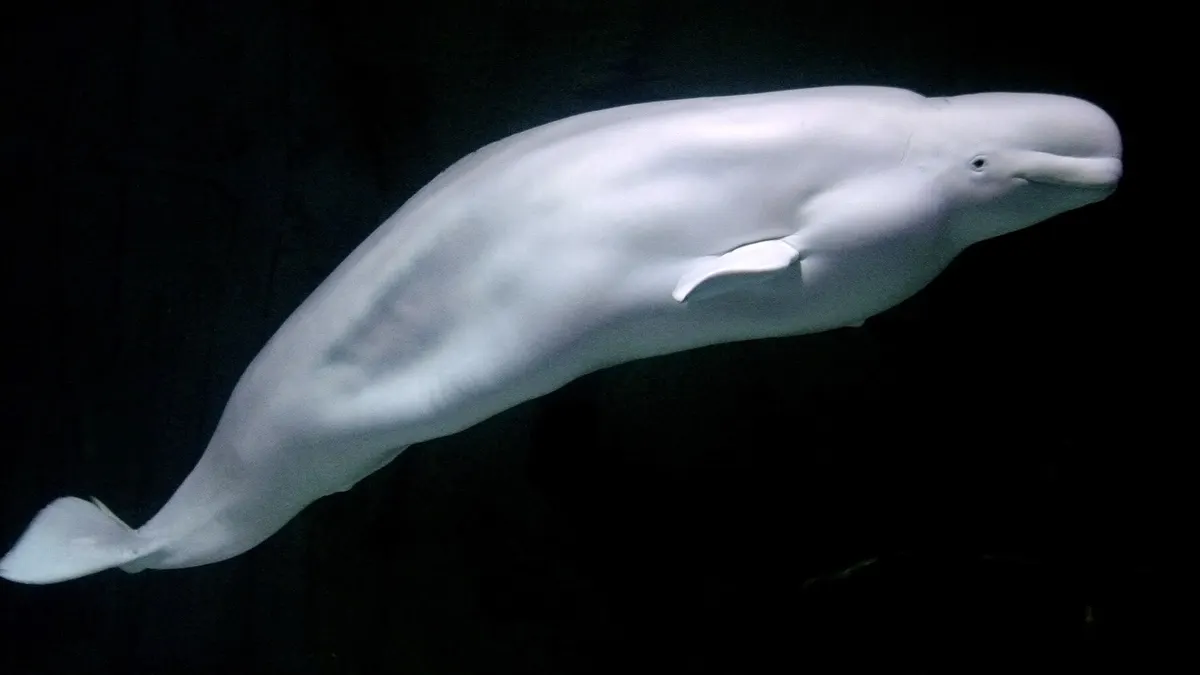
Belugas (Delphinapterus leucas) are small, social whales of the Arctic and sub-Arctic. Their bright white colour and constantly changing facial expressions make them instantly recognisable, and their wide range of sounds earned them the nickname "canaries of the sea" from sailors who could hear them through ship hulls.
A whale that can turn its head
Unlike most whales, belugas have neck vertebrae that are not fused together. This means they can nod and turn their heads, which helps them manoeuvre in shallow water and around sea ice. On top of the head sits the melon, a soft, fatty structure used in echolocation. Belugas can change its shape, which may help them focus sound.
Born grey, growing white
Beluga calves are born dark grey. As they age, their skin gradually lightens, and they usually become fully white by the time they reach adulthood. The white colour helps camouflage them among ice floes, where polar bears and orcas are among their few natural predators.
Life among the ice
Belugas lack a dorsal fin, an adaptation thought to help them swim just beneath sea ice. They can locate breathing holes and open water in the ice using echolocation. In summer many belugas gather in large numbers in shallow estuaries and river mouths, where they moult their outer layer of skin by rubbing against gravel.
Talking in whistles and clicks
Belugas produce whistles, clicks, chirps, squeals and bell-like tones. They live in pods that may number from a few animals to hundreds during migration, and constant communication helps keep these groups together. Some captive belugas have even been recorded imitating aspects of human speech.
Conservation
Globally, belugas are listed as Least Concern, but some isolated populations are at risk. The population in Cook Inlet, Alaska, is critically small, and the St. Lawrence Estuary belugas in Canada have been affected by pollution. A warming Arctic brings more shipping, noise and changes in sea ice that may affect belugas in the future.
Quick facts
- Length: about 3.5–5.5 m
- Home: Arctic and sub-Arctic waters
- Diet: fish, squid, octopus, crustaceans
- Special feature: flexible neck and no dorsal fin
Keep reading
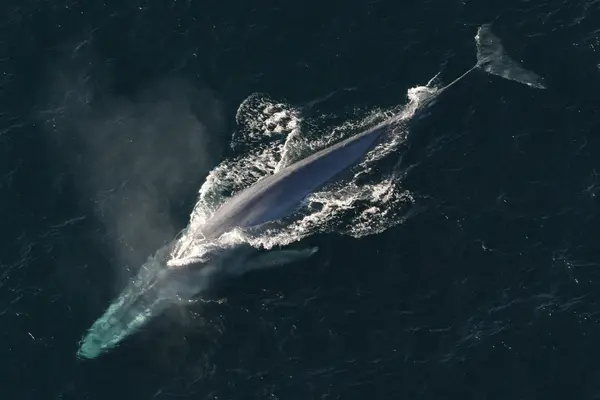
The Blue Whale: Inside the Largest Animal That Has Ever Lived
Longer than a basketball court and heavier than any dinosaur, the blue whale survives on some of the smallest animals in the sea. Here is how it works.
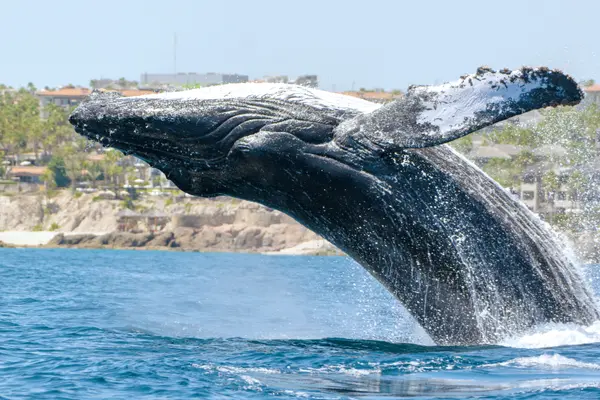
Why Do Humpback Whales Sing? The Science Behind the Ocean's Greatest Songs
Male humpbacks perform long, complex songs that change every year and spread across entire ocean basins. Researchers are still decoding why.
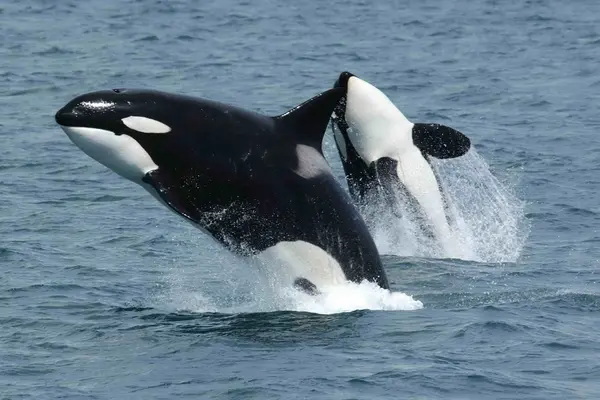
Orcas: Family, Culture and Hunting Strategies of the Killer Whale
Orcas live in tight family groups led by older females, with their own dialects and hunting traditions passed down through generations.