Emperor Penguins: Surviving the Antarctic Winter Together
Emperor penguins breed in the coldest, darkest season on Earth. Their secret is teamwork, patience and some clever physiology.
In this article
The emperor penguin (Aptenodytes forsteri) is the tallest and heaviest penguin species, standing over a metre tall. It is also the only animal that breeds on the open sea ice of Antarctica during the depths of the southern winter, when temperatures can fall below −40 °C and winds can exceed 150 km/h.
A backwards breeding schedule
Most animals raise young in spring and summer. Emperor penguins instead begin breeding in autumn. They walk, sometimes tens of kilometres, from the ocean to stable sea ice where colonies gather. After courtship, the female lays a single egg and carefully transfers it to the male. She then returns to the sea to feed, leaving him in charge.
The fathers' long wait
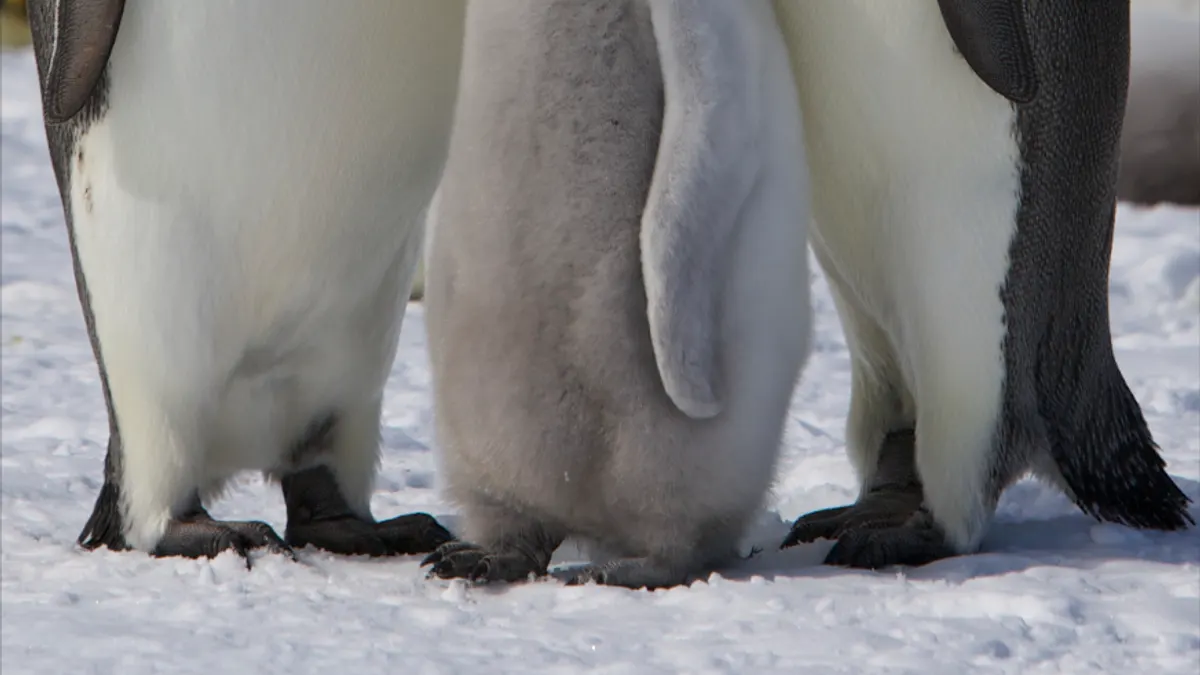
For around two months, the male balances the egg on his feet and covers it with a warm fold of skin called a brood pouch. During this time he does not eat at all. Including the time spent walking to the colony and courting, a male may fast for about four months and lose a large share of his body weight.
The huddle
To survive, males crowd together in tight huddles that can include thousands of birds. The temperature inside a huddle can rise well above freezing. Penguins shuffle constantly, so birds on the cold edges gradually move toward the centre and those in the middle move outward. This slow rotation shares warmth fairly across the group.
No single penguin could survive the Antarctic winter on the ice alone. The colony survives as a team.
Built for cold and deep water
- Densely packed feathers and a thick layer of fat provide insulation.
- A heat exchange system in the nose recovers warmth from exhaled air.
- Emperors can dive deeper than 500 metres and stay underwater for over 20 minutes while hunting fish, krill and squid.
Dependent on sea ice
Emperor penguins need sea ice that stays stable from roughly April to December so chicks can grow and fledge. In recent years, early ice break-up has caused complete breeding failures at some colonies. Scientists project that many colonies could decline significantly this century if sea ice continues to shrink. The species is listed as Near Threatened by the IUCN, and it has been listed as threatened under the US Endangered Species Act.
Quick facts
- Height: about 1.1–1.3 m
- Weight: 22–45 kg depending on season
- Breeding: during the Antarctic winter
Keep reading
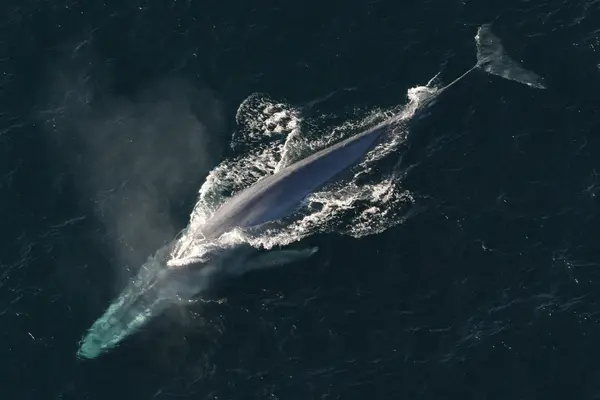
The Blue Whale: Inside the Largest Animal That Has Ever Lived
Longer than a basketball court and heavier than any dinosaur, the blue whale survives on some of the smallest animals in the sea. Here is how it works.
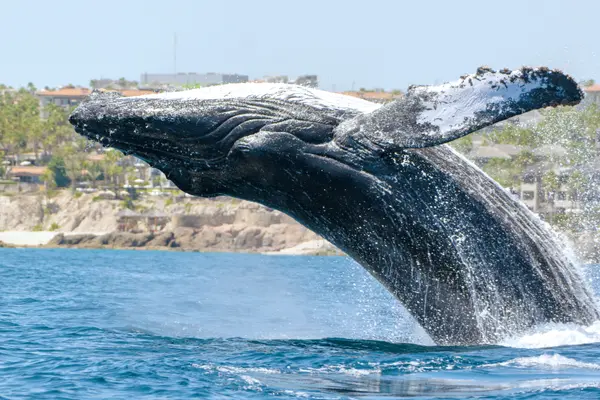
Why Do Humpback Whales Sing? The Science Behind the Ocean's Greatest Songs
Male humpbacks perform long, complex songs that change every year and spread across entire ocean basins. Researchers are still decoding why.
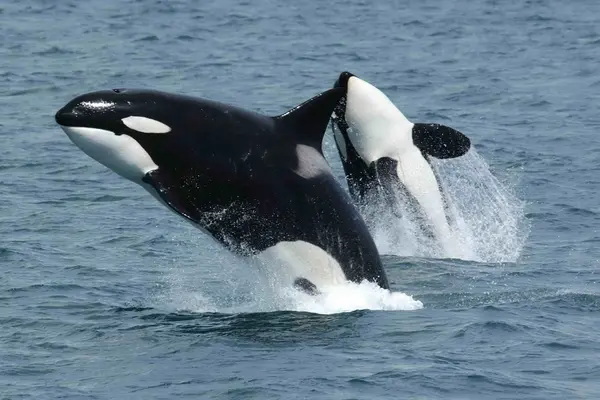
Orcas: Family, Culture and Hunting Strategies of the Killer Whale
Orcas live in tight family groups led by older females, with their own dialects and hunting traditions passed down through generations.