Octopus Intelligence: Nine Brains, Three Hearts and a Lot of Curiosity
Octopuses solve puzzles, escape tanks and change colour in a blink. Their intelligence evolved completely separately from ours.
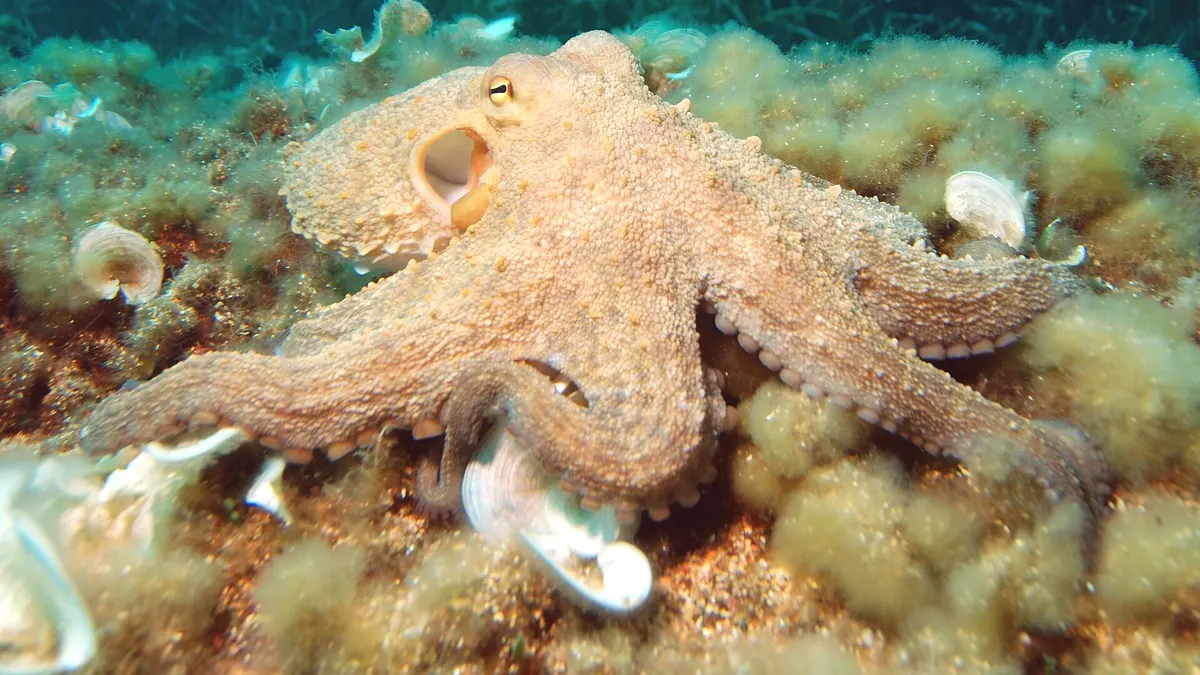
If you wanted to meet an intelligent alien, you might start at the bottom of the sea. Octopuses are molluscs, related to snails and clams, yet they show problem-solving skills, curiosity and individual personalities that rival many vertebrates.
A very different body plan
An octopus has:
- Three hearts: two pump blood through the gills and one pumps it around the body.
- Blue blood: it uses copper-based hemocyanin instead of iron-based hemoglobin to carry oxygen.
- A distributed nervous system: roughly two-thirds of its neurons are in its arms. Each arm can taste, touch and react with some independence, which is why octopuses are sometimes described as having "nine brains", one central brain plus a cluster of nerves in each arm.
Problem solvers
In laboratories and aquariums, octopuses have learned to open jars, navigate mazes and recognise individual people. Some have famously escaped from their tanks. In the wild, veined octopuses have been filmed carrying coconut shell halves and assembling them into a shelter, one of the first recorded examples of tool use in an invertebrate.
Octopus intelligence evolved independently from vertebrate intelligence, making it a separate experiment in how a mind can be built.
Masters of disguise
Octopus skin contains thousands of specialised cells called chromatophores that can expand or shrink in a fraction of a second, changing colour and pattern. Some species can also change the texture of their skin to mimic rocks, algae or coral. The mimic octopus of Southeast Asia goes further, imitating the shape and movement of other animals such as lionfish and sea snakes.
Short lives
Despite their intelligence, most octopuses live only one to two years. Many species reproduce once and then die. A female octopus guards her eggs without eating, cleaning and aerating them until they hatch. A deep-sea octopus off California was observed brooding its eggs for about four and a half years, the longest brooding period known for any animal.
Quick facts
- Species: around 300 known
- Defences: camouflage, ink, speed and squeezing into tiny spaces
- Largest: the giant Pacific octopus, with an arm span that can exceed 4 m
Keep reading
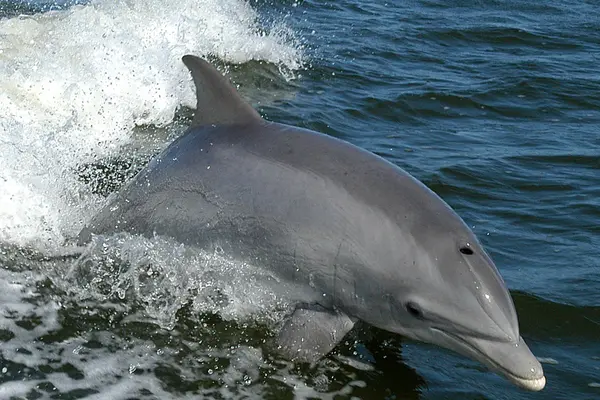
Signature Whistles: How Bottlenose Dolphins Call Each Other by Name
Each bottlenose dolphin develops a unique whistle that works a lot like a name, and other dolphins can copy it to get its attention.
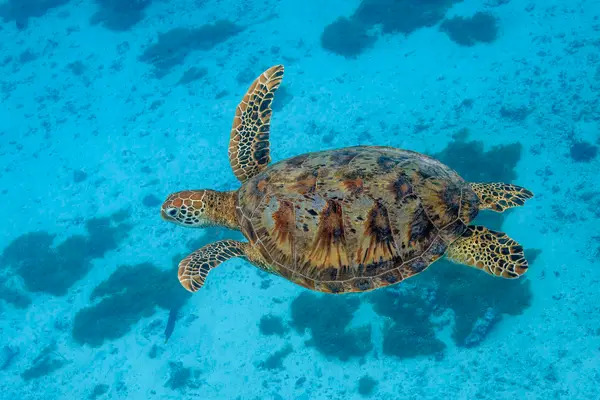
Green Sea Turtles: Navigators That Return to the Beach Where They Were Born
Green turtles cross entire oceans and then find their way back to their birth beach decades later. Earth's magnetic field may be their map.
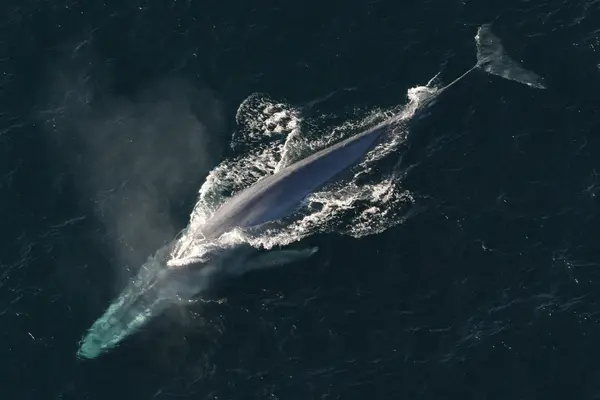
The Blue Whale: Inside the Largest Animal That Has Ever Lived
Longer than a basketball court and heavier than any dinosaur, the blue whale survives on some of the smallest animals in the sea. Here is how it works.